
Bagasse vs Plastic Food Containers: When Compostable Packaging Makes Sense for Takeaway
Oct 15, 2026
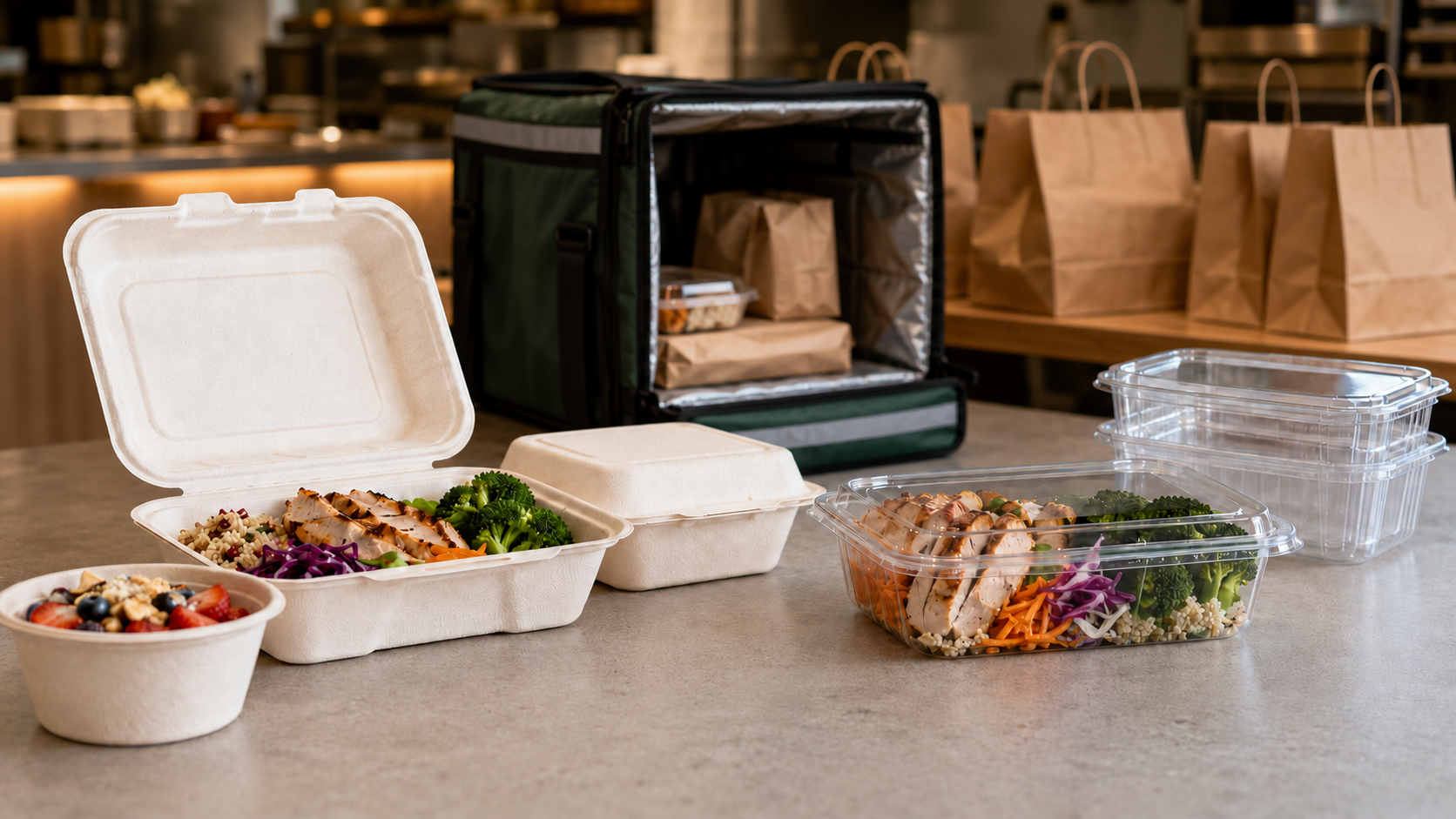
Shenzhen, Guangdong Oct 14, 2026 (Issuewire.com) - Bagasse and plastic food containers solve different takeaway problems. The better choice depends on the menu, holding time, lid and sealing requirements, target-market rules, end-of-life system and total packaging cost. Bagasse is especially attractive when buyers want a rigid molded-fiber format for hot meals and a credible compostability pathway for the finished SKU; plastic can still be practical for applications where transparency, tight moisture barriers or very low unit cost dominate the decision. When Bagasse Makes the Most Sense Bagasse is a strong candidate when a restaurant, distributor or food brand needs a rigid takeaway format for hot entrees, rice meals, pasta, catering trays or compartment meals. The fiber structure can provide useful stiffness and presentation, while different barrier options can be selected for grease, moisture, sealing or temperature demands.
It also makes sense when the buyer has a defined compostability objective. That decision should be based on the finished product, including coatings, laminations, inks, adhesives and lids, and on whether suitable collection and composting infrastructure exists in the target market. Bagasse fiber alone does not make every finished pack home compostable. When Plastic May Still Be the Practical Choice Plastic can remain practical for chilled foods, applications requiring clear visibility, high-moisture products needing a very strong barrier, or price-sensitive programs where the local waste system already supports the selected polymer. The key is to compare a real plastic SKU with a real bagasse alternative instead of assuming that one material is universally better. For some buyers, the most efficient transition is therefore not a full material replacement. Start with the menu items where heat, presentation, plastic-reduction goals or customer expectations create the clearest value, then expand after operational testing. Match the Structure to the Food, Not the Material Label Hot, oily or sauce-heavy meals: test deformation, leakage, grease resistance and lid fit over the real holding time. Fried foods: assess condensation, venting and texture retention rather than assuming one material keeps food crisp. Soups and liquid-heavy dishes: evaluate the complete bowl-and-lid system, not the container base alone. Delivery programs: run loaded stack and transport simulations using the actual meal weight and delivery time. Microwave or reheating applications: use only SKUs specifically validated for the intended temperature and heating method. Standard, Coated and Laminated Bagasse Are Different Choices A standard molded bagasse item is not the same as a barrier-coated or laminated structure. Depending on the project, additional barrier systems may improve oil, moisture, sealing or temperature performance. Laminated bagasse may use structures containing PLA, PET, CPET or EVOH where appropriate. Those structures should not automatically inherit the same compostability or recycling claim as an unlaminated fiber item. Compare Total Packaging Cost, Not Only Unit Price A bagasse container can carry a higher purchase price than a commodity plastic equivalent, but the decision should include more than cents per piece. Procurement teams should compare carton count, freight efficiency, storage volume, lid compatibility, failure risk, customer requirements, local disposal fees and the cost of running parallel packaging lines. A cheaper unit price can lose its advantage if the pack leaks, deforms, requires emergency replacement or creates a compliance problem in the destination market. For a transition program, the most useful commercial test is a controlled pilot. Select one or two high-volume menu items, run the bagasse option through kitchen filling, holding, delivery and customer-use conditions, and compare results with the current plastic pack. Only after performance, packing efficiency and cost are understood should the new material be rolled out across more SKUs. How Grizzlies Helps Buyers Plan a Targeted Transition Grizzlies has 15+ years of OEM/ODM manufacturing experience, 11 production bases, 280+ automated machines and capacity of up to 200 -- 40HQ per month. For restaurant chains, importers and private-label buyers, that scale supports both standard programs and customized molded-fiber projects. Buyers can review the Grizzlies bagasse tableware range (https://www.grizzliesind.com/collections/bagasse-tableware) and compare plates, bowls, trays, clamshells and food containers before deciding which plastic SKUs should be replaced first.
OEM/ODM projects can also address custom molds, compartment layouts, embossing, barrier structures, lids and private-label packing. A Better Decision Rule for Takeaway Packaging Use bagasse when its combination of rigidity, fiber-based positioning, available barrier options and verified end-of-life claim creates a clear advantage for the actual menu and market. Keep or compare plastic where the application depends more heavily on transparency, specialized sealing, local recycling compatibility or very low unit cost. Then validate both options with real food before scaling. For a material-transition review, buyers can send the current container specification, menu application, monthly volume and destination market to Grizzlies (https://www.grizzliesind.com/) or contact the technical team (https://www.grizzliesind.com/pages/contact-us) to request samples, structural recommendations and a factory-direct quotation.
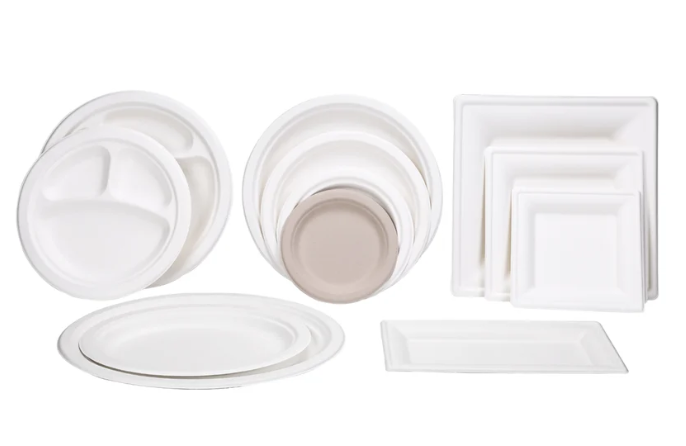
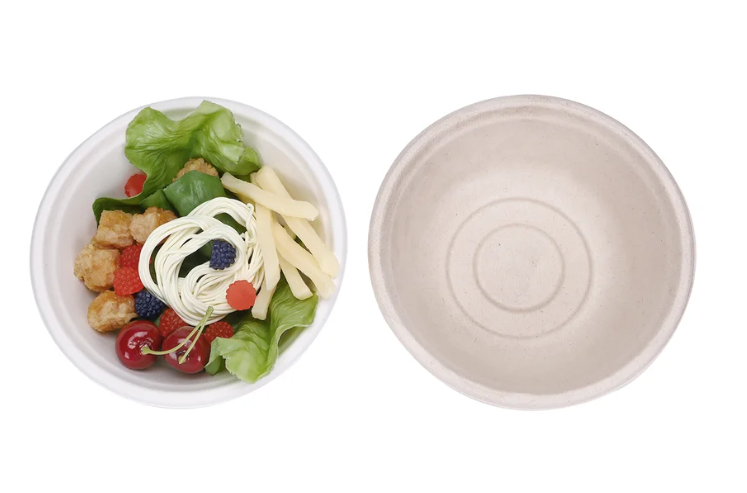
Source :Shenzhen Grizzlies Industries Co.,LTD
This article was originally published by IssueWire. Read the original article here.
More News

34 Travel Products That Will Make You Think “Thank Goodness I Brought That”
This migraine roller and Apple-compatible waller tracker are the kinds of things you think you don't really need until you neeeeeeeed them. View Entire Post ›

38 Affordable But Useful Travel Products You’ll Be Oh So Smug You Bought In Advance
Travel just gets easier and breezier with this portable folding stool and Skims-like base layer you can get for under $10 each. View Entire Post ›

If Being Comfortable Is Your Main Priority, Don’t Travel Without These 35 Products
Because stiff necks, freezing airplane cabins, and sore feet have no business ruining your vacation. View Entire Post ›

38 Travel Products To Pick Up NOW So You Aren’t In A Pinch Two Days Before Your Departure
Because spending an exorbitant amount of money on a universal adapter at the airport is NOT the vibe. View Entire Post ›

52 Must-Haves For Anyone Who Basically Lives Out Of A Suitcase Because They Travel So Often
"Can you get brunch Saturday, or will you be out of the country?" —your friend texting you View Entire Post ›

38 Travel Products You’ll Thank Yourself For Grabbing Before The Holidays Roll Around
Because they'll be here before we know it. View Entire Post ›

33 Cheap Travel Products That Won’t Break The Bank After The Flight And Hotel Prices Basically Robbed You
Welp, you might have just flushed a lot of money down an airline toilet, but at least you won't feel the same hit getting this $7 holy grail travel layering shirt and this $10 portable footstool. View Entire Post ›

How Louis Koo is shaping the future of Hong Kong cinema
Louis Koo is a professional, through and through, in just about everything he does – that much I can tell you from observing the long-time Hong Kong film star from behind the scenes of our November cover shoot. While I find myself blinded by the extremely bright flashes of the camera, Koo keeps his cool, looking suave as ever, striking poses and periodically glancing out around the set from behind his signature sunglasses. Only once does Koo break character amid all the quick outfit changes and...

Non-Americans Are Revealing The Ways They Can “Spot An American Tourist From A Mile Away” — And I’m Both Laughing And Crying
I also feel personally attacked at the accuracy of these. View Entire Post ›

Visit Paris And I'll Guess If You're Single, Taken, Or In A Complicated Situationship
Is there any city that's more romantic? View Entire Post ›

How Tony Leung Chiu-wai became Hong Kong’s most decorated – and reluctant – movie star
This is the 89th instalment in a biweekly series profiling major Hong Kong pop culture figures of recent decades. While Tony Leung Chiu-wai is arguably the most decorated actor in Hong Kong cinema history, he would be the last person to tell you so. In an era where cinema is dominated by spectacle and carefully curated self-promotion, Leung remains a rarity. Despite being one of Asia’s biggest stars, he performs with remarkable subtlety and treats fame as little more than an inconvenient...

YOUR NEWS, OUR NETWORK.
Do you have Great News you want to tell the world?
Be it updates about your business or your community, you can make sure that it’s heard by submitting your story to our network reaching hundreds of news sites across 6 verticals.