
Canton Fair Sourcing for a Reliable Travel Bag Manufacturer with ISO14001 Certification: DCP Bags
Oct 23, 2026
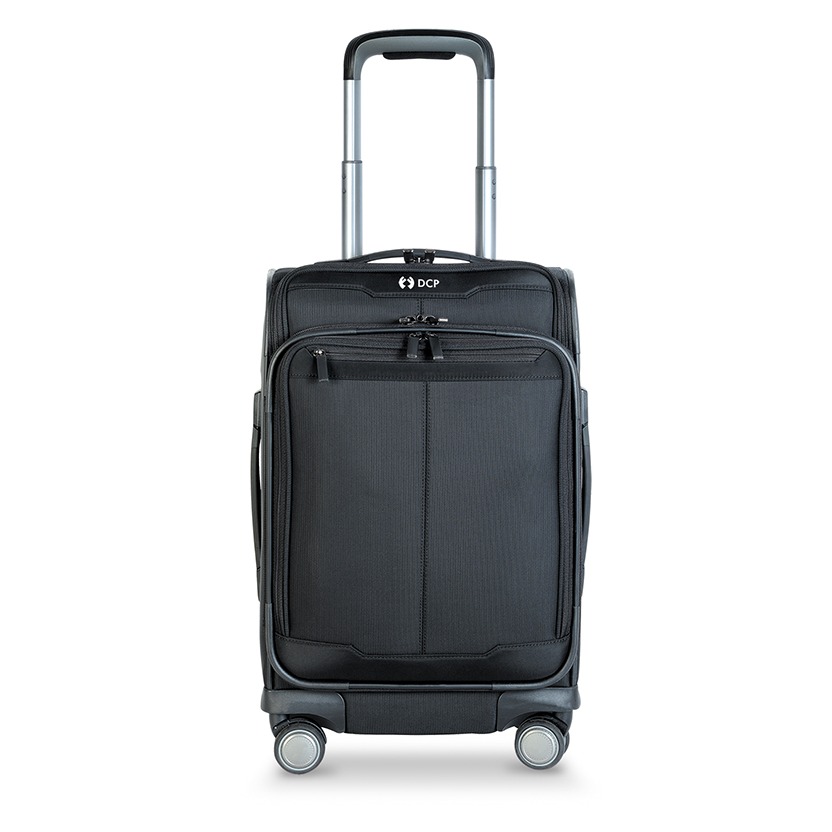
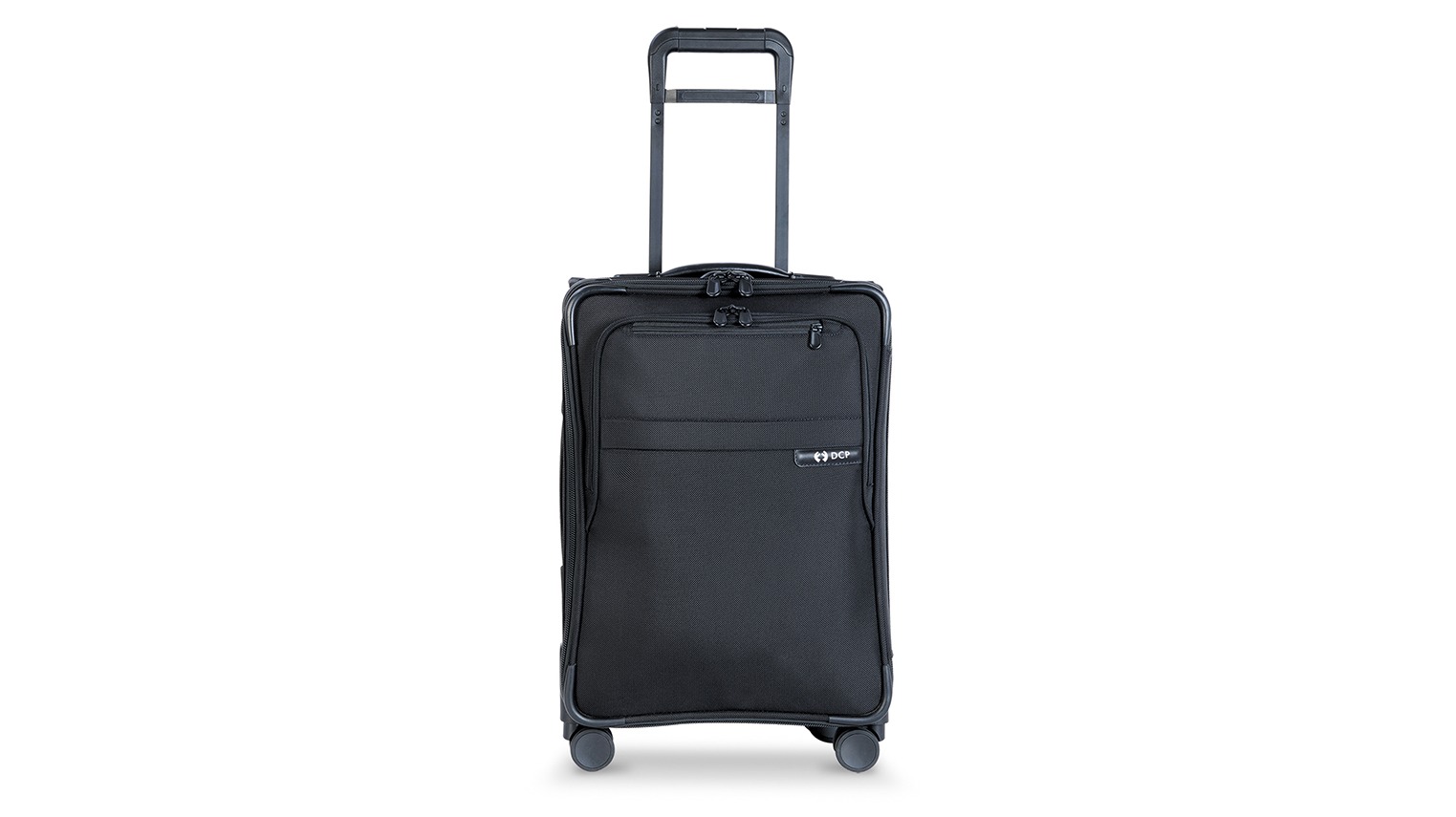
Quanzhou, Fujian Oct 22, 2026 (Issuewire.com) - For sourcing professionals organizing their supplier evaluations during major trade events, DCP TRAVELLING PRODUCTS CO., LTD. provides a comprehensive manufacturing and audit foundation for those seeking a Reliable Travel Bag Manufacturer (https://www.dcp-bags.com/products/). Established in 2000, the company supports complex procurement requirements by combining verifiable environmental management credentials, specifically its stated ISO14001 certification, with robust multi-region production capabilities. Instead of relying on generalized marketing claims, procurement teams can evaluate a specific product index that spans trolley cases, wheeled backpacks, business bags, camping packs, and casual backpacks. This concrete structure allows buyers to systematically separate and verify a supplier's corporate certifications, physical product catalog, and actual manufacturing capacity, ensuring that environmental standards and technical production specifications are thoroughly assessed before initiating bulk orders. Canton Fair Context Prioritizes Cases and Bags in Phase 3 The official classification of the Canton Fair traditionally places the Cases and Bags category within the Phase 3 Fashion segment. This scheduling provides a structured context for international buyers who need to coordinate sourcing trips and evaluate multiple suppliers within a concentrated timeframe. The exhibition offers an expansive sourcing scenario, with general information pointing to a sprawling 1.55 million square meters of exhibition area and tens of thousands of exhibitors. However, while this massive scale creates a crucial industry focal point for discovering manufacturing partners, astute procurement teams understand that trade show presence alone does not guarantee production reliability. Buyers navigating Phase 3 must look beyond booth displays to organize supplier assessments around tangible manufacturing systems, documented product categories, and verifiable factory qualifications. In this environment, a supplier's value is not determined by the size of their exhibition footprint, but by the depth of their operational evidence. Therefore, evaluating a prospective manufacturing partner requires shifting focus from the trade fair floor to the supplier's actual production sites and corporate certifications. ISO14001 Adds an Environmental Management Checkpoint In modern supply chain management, environmental compliance has evolved from an optional preference to a mandatory procurement checkpoint. According to its corporate profile, DCP Bags lists ISO14001 environmental management certification among its passed facility credentials. This specific system certification provides sourcing teams with a clear, auditable framework for evaluating how the factory manages its environmental impact during large-scale manufacturing processes. Furthermore, the company presents this credential alongside its ISO9001 quality certification and GB/T28001 Occupational Health and Safety Management System certification. By presenting these systems together, the manufacturer demonstrates a formalized, multi-tiered approach to facility governance. For procurement professionals, it is essential to properly contextualize these credentials during the supplier auditing process. The ISO14001 standard should be strictly interpreted as a corporate-level environmental management system rather than being erroneously expanded to imply specific material performance metrics or individual product-level eco-certifications. This precise boundary allows buyers to validate the factory's operational compliance independently from the technical specifications and material testing requirements of their specific custom luggage orders. Product Breadth Supports Travel-Oriented Sourcing Without a Dedicated Travel Page Effective supplier evaluation often relies on analyzing a manufacturer's actual production capabilities rather than searching for generic marketing terms. The travel luggage supply capacity of DCP Bags (https://www.dcp-bags.com/company/) is explicitly demonstrated through its concrete, adjacent product categories rather than a singular, generalized travel bag landing page. The company's product index strategically positions trolley cases and wheeled backpacks as the primary entry points, offering immediate, specialized support for high-mobility travel scenarios. This categorization proves that the factory possesses the specific tooling and assembly experience required for wheeled luggage systems. Moving beyond traditional luggage, the index further expands to include business backpacks, premier briefcases, camping bags, and stylish casual backpacks. This breadth covers the full spectrum of modern travel, from corporate transit and outdoor expeditions to everyday leisure carrying needs. For procurement teams, this detailed category structure is highly advantageous. It allows buyers to first verify the supplier's overarching manufacturing scope across different bag architectures, and then seamlessly transition into discussing precise project-level specifications and customized sample developments based on proven product platforms. Factory Equipment Shows How Travel Bag Designs Move into Production A supplier's theoretical capacity must always be substantiated by physical factory infrastructure. The manufacturing operations at DCP Bags provide a transparent view into how complex travel luggage designs are translated into standardized bulk production. The company's hardware configuration encompasses 1,800 sets of various production equipment, creating a robust foundation for soft-goods manufacturing. This extensive machinery lineup includes computerized sewing machines and computerized pattern machines, which are critical for maintaining strict stitching consistency across large production runs. Furthermore, the integration of automatic spreading machines and automatic cutting machines introduces precise, digitized control into the critical early stages of fabric handling. This automated approach to material preparation minimizes human error and optimizes fabric yield. These equipment investments are distributed across a significant dual-region manufacturing footprint. The primary China facility operates across 13,000 square meters with eight production lines capable of outputting 100,000 packages monthly. Complementing this, the expansive Indonesia factory spans 26,000 square meters with forty production lines, delivering a monthly capacity of 400,000 pieces. This detailed equipment and facility data allows buyers to deconstruct manufacturing capabilities down to specific operational steps, enabling a rigorous technical audit. Drying and Resource Practices Add Operational Context to Environmental Review A thorough environmental and quality audit should combine formal system certifications with observable facility practices and resource management strategies. DCP Bags provides concrete operational context to support its management frameworks. On the quality preservation front, the factory maintains a dedicated 1,000-square-meter drying room. This specialized facility is essential for controlling ambient moisture levels and protecting finished soft goods from mold and mildew risks prior to container loading, which is a critical quality control measure for international shipping. From a resource utilization perspective, the company's social responsibility documentation highlights that its currently used solar energy infrastructure reduces annual facility energy consumption by approximately 15 percent. This measurable reduction provides sourcing teams with a tangible example of corporate energy practices in action. By separating formal environmental management systems from these specific facility installations and energy reduction metrics, procurement professionals gain a grounded understanding of the supplier's operational reality. This multifaceted view is far more valuable for long-term risk assessment than evaluating a standalone certification document without understanding the physical factory environment. Reliable Travel Bag Sourcing Combines Qualification with Product Fit Ultimately, successful procurement in the luggage sector requires a holistic evaluation strategy that aligns factory qualifications with exact project requirements. The sourcing value provided by DCP Bags stems from its integration of formal management credentials, a relevant breadth of travel-oriented product categories, extensive manufacturing infrastructure, and transparent environmental operational data. With a global export footprint spanning more than 20 countries, the manufacturer has proven its ability to navigate complex international compliance standards. For buyers organizing evaluations around major industry events, the verification process can follow a logical sequence: first confirming the enterprise-level ISO14001 statements, then navigating through specific trolley, wheeled, and backpack product entries to ensure manufacturing compatibility. This process is further strengthened by the company's dedicated testing center, which utilizes over 20 types of testing equipment to monitor quality from raw materials to finished products. Additionally, the manufacturer's R&D capabilities, highlighted by a 2024 OEM-to-ODM transition that includes 3D modeling, material recommendations, and quick sampling protocols, ensure theoretical designs can be efficiently brought to market. Procurement professionals are encouraged to combine these verifiable factory capabilities with their specific commercial requirements to initiate targeted supplier discussions. For deeper insights into their manufacturing systems and product lines, visit https://www.dcp-bags.com/.
Source :DCP TRAVELLING PRODUCTS CO., LTD.
This article was originally published by IssueWire. Read the original article here.
More News

"You Feel Watched By Something Malicious": 18 Places In The US That Have A Bone-Chilling, Hair-Raising, Teeth-Chattering Vibe Straight Out Of A Horror Movie
"I'm a 6-foot-tall male, and I felt like I had to stick near the few lights at the bus station for my own safety." View Entire Post ›

New Airbnb Rules Will Limit Chores Hosts Can Require
The company will limit the chores hosts can require of guests, responding to complaints from travelers who said they shouldn’t have to do housekeeping while paying cleaning fees.


Hotel Review: Mount Juliet Estate, County Kilkenny
Fresh from an extensive refurbishment, Mount Juliet Estate pairs Georgian character with Michelin-starred dining, championship golf, attentive service and an extraordinary roster of country pursuits across 500 acres in Kilkenny. The post Hotel Review: Mount Juliet Estate, County Kilkenny appeared first on Business Traveller.

American Express Platinum Adds Airbnb Luxe to $600 Lodging Credit
Amex Platinum is venturing beyond hotels. Airbnb Luxe now qualifies for its $600 lodging credit, while a new $250 Experiences benefit sweetens the deal—but one-night FHR stays are losing ground. The post American Express Platinum Adds Airbnb Luxe to $600 Lodging Credit appeared first on Business Traveller.

Hotel Review: The Brazilian Court, Palm Beach
Celebrating its centennial, The Brazilian Court pairs secluded courtyards, residential-style suites and Café Boulud with one of Palm Beach’s best locations, delivering old-world character without feeling frozen in time. The post Hotel Review: The Brazilian Court, Palm Beach appeared first on Business Traveller.

Meet the Judges: Business Traveller Awards 2026
Our global awards were shaped by a panel of experts across the travel, media, design and hospitality industries The post Meet the Judges: Business Traveller Awards 2026 appeared first on Business Traveller.

United Opens Its Largest Airport Lounge in Houston Terminal B
Airport lounges keep getting bigger, and United may have just won the square-footage contest. Houston’s new 54,000-square-foot club seats 800—assuming the crowds do not arrive faster than the furniture. The post United Opens Its Largest Airport Lounge in Houston Terminal B appeared first on Business Traveller.

1st human case of livestock virus Shamonda reported in France
France on Thursday reported the first human case of the Shamonda virus usually found in livestock in a patient who later died, with authorities adding there was no risk to the general population at this stage.

Turkish Airlines Chairman Murat Şeker on Premium, Personalisation and the Path to the Top Three
Turkish Airlines has conquered scale. Now it’s setting its sights on a distinctive guest experience. The post Turkish Airlines Chairman Murat Şeker on Premium, Personalisation and the Path to the Top Three appeared first on Business Traveller.

Help! Why Won’t Travel Insurance Pay for My $17,500 Broken Leg?
An American tourist had emergency surgery in Thailand after tripping and falling at an ice cream counter. Good thing he bought insurance — or so it seemed.

Long COVID patients 'devastated' by impending changes to virtual care access in B.C.
More than 300,000 British Columbians live with long COVID, with many relying on virtual appointments to access the care they need. But health providers are warning impending caps on appointment sizes and changes to fees will create lengthy delays and lead to cutbacks in vital programs.
YOUR NEWS, OUR NETWORK.
Do you have Great News you want to tell the world?
Be it updates about your business or your community, you can make sure that it’s heard by submitting your story to our network reaching hundreds of news sites across 6 verticals.