
How Union Source Helps Emerging Brands Transition from Idea to Shelf-Ready Consumer Goods
Nov 10, 2026
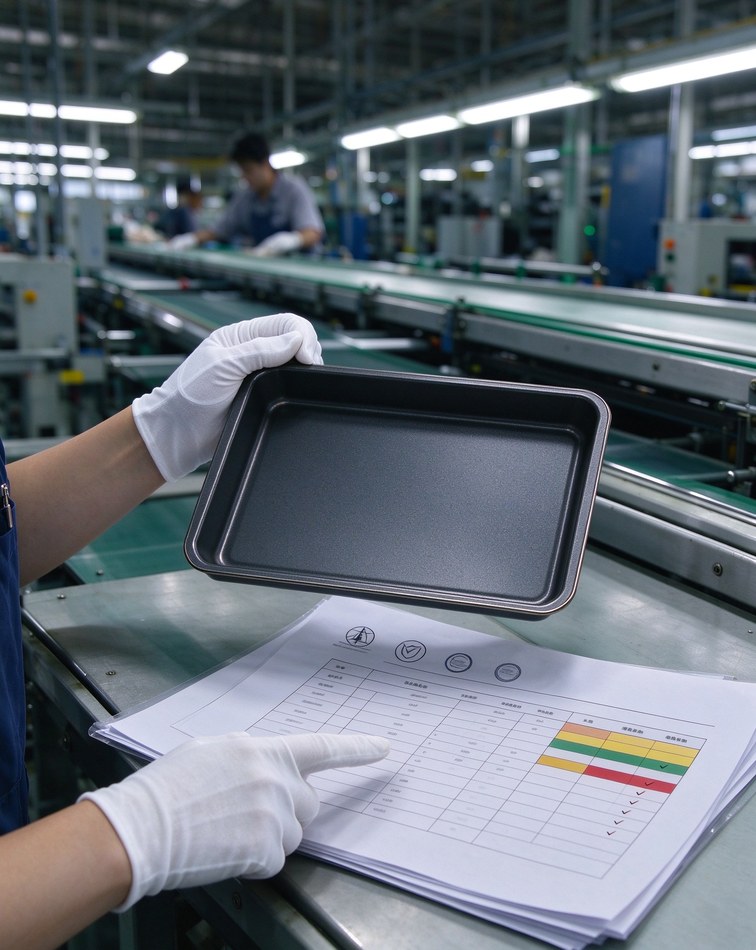
Ningbo, Zhejiang Nov 10, 2026 (Issuewire.com) - For direct-to-consumer (DTC) founders, e-commerce brand builders, and growing consumer product companies, transforming a novel product concept into a profitable physical product presents significant operational hurdles. While generating an innovative concept or digital rendering is an exciting milestone, bridging the gap between an early sketch and a commercially viable, shelf-ready consumer good requires navigating industrial design, prototype verification, factory production thresholds, complex compliance regulations, and international logistics.
In cross-border manufacturing, emerging brands frequently face three structural barriers when approaching Chinese factories directly:
1. The Capital Trap of Premature Tooling: Investing substantial upfront capital into custom steel injection molds before consumer market demand is verified.
2. The High MOQ Barrier: Factory requirements demanding 5,000 to 10,000 units per SKU, tying up early-stage working capital in unsold inventory.
3. Packaging and Regulatory Non-Compliance: Launching products that fail destination retail standards, resulting in fulfillment intake delays, customs clearance holds, or administrative receiving adjustments.
To help emerging brands overcome these obstacles, an integrated product development and supply chain partner provides structured, risk-mitigated execution from initial brief to retail delivery.
Here is an analysis of the staged incubation framework that enables emerging brands to transition from initial concept to shelf-ready merchandise.
Phase 1: Rapid 7-10 Day Prototyping and De-Risked Design Iteration
Validating product ergonomics, dimensional fit, and mechanical function prior to capital-intensive tooling is essential for early-stage brands. Early design adjustments in CAD or physical prototypes cost modest design hours, whereas structural revisions required after cutting mold steel lead to expensive rework, timeline delays, and lost seasonal sales windows.
To compress development timelines, Union Source coordinates structured rapid prototyping workflows:
The 7-10 Day Fast Lane (Applicable Projects): For private label modifications of existing product platforms (such as custom handle contours, colorway adaptations, material swaps, soft goods, 3D-printable lifestyle organizers, and custom packaging dielines), functional physical prototypes can be delivered within 7 to 10 days using CNC machining, industrial 3D printing, or vacuum casting.
The Engineering Long Runway (Complex Projects): Industry physics dictate that products requiring ground-up injection steel tooling, custom PCB electronics, or mandatory laboratory certification cycles require longer, realistic development timelines. A professional partner provides transparent timeline planning from day one rather than making unachievable speed promises.
Objective Physical Validation: Physical prototypes allow founders and merchant teams to test snap-fit resistance, lid seal airtightness, and tactile grip comfort before authorizing production expenditures.
Phase 2: Agile 1,000-Piece Flexible MOQs for Real-World Market Testing
Traditional contract factories maximize profits by running continuous high-volume production, making them reluctant to accept small orders. For an emerging brand, committing to a 5,000-piece order before establishing customer purchase velocity introduces dangerous inventory holding risks.
To assist growing brands with pragmatic market validation:
Flexible 1,000-Piece Trial Orders: For selected emerging lifestyle product programs, low-volume initial production runs of approximately 1,000 units are accommodated depending on category specifications.
Multi-SKU Assortment Testing: Sourcing teams coordinate component procurement across certified factories, enabling brands to test two or three distinct colorways, finishes, or bundled sets simultaneously under a single manageable production run.
Empirical Demand Verification: Testing market demand with contained financial exposure allows founders to gather real-world conversion metrics and customer feedback, establishing data-driven baselines before scaling volume reorders.
Phase 3: Retail-Ready and E-Commerce Compliant Packaging Engineering
In modern consumer retail, packaging serves as both a brand touchpoint and an operational requirement. Products delivered with substandard packaging risk physical transit damage or rejection at automated intake facilities.
A structured packaging development process balances international retail standards with cost efficiency:
E-Commerce and FBA Standards: Packaging configurations incorporate certified GS1 UPC/EAN barcodes, scannable Amazon FNSKU labels, suffocation warning polybags, and protective master cartons that meet platform fulfillment criteria.
Display-Ready Packaging (DRP): For physical supermarket and retail chain shelves, structural designers develop litho-laminated display boxes and perforated tear-away cartons. Retail associates can transfer these directly from shipping pallets onto store display shelves, reducing retail labor handling.
Transit Integrity (ISTA Testing Standards): Packaging designs apply standard drop and vibration protection protocols aligned with International Safe Transit Association (ISTA) guidelines, minimizing breakage during intermodal transit.
Phase 4: Navigating International Regulatory and Certification Gateways
Consumer goods distributed across North American and European retail channels are governed by mandatory chemical, electrical, and physical safety directives. Sourcing through unvetted suppliers often exposes emerging brands to non-compliant materials or counterfeit test reports.
To establish regulatory access, compliance specialists guide brands through standard regional verification gates:
Food-Contact Safety: Kitchenware, drinkware, and food containers undergo mandatory testing to verify non-toxicity and non-migration of heavy metals, satisfying US FDA 21 CFR or German LFGB standards.
Children's Safety Mandates: Toys and nursery items are validated against European EN 71, US ASTM F963, and CPSIA requirements for lead and phthalate restrictions.
Electrical and Chemical Directives: Household electronics adhere to European CE directives, RoHS hazardous substance restrictions, and REACH chemical standards.
Factory Social Governance: Manufacturing facilities are matched against recognized third-party audit databases, confirming active amfori BSCI, Sedex (SMETA), or ISO 9001 credentials to ensure brand reputation integrity.
Phase 5: Consolidation Warehousing and End-to-End DDP Logistics
Emerging consumer brands rarely possess dedicated in-house logistics or customs compliance departments. Managing multiple separate Less-Than-Container-Load (LCL) shipments from different factories creates redundant port charges, documentation errors, and customs clearance delays.
Consolidated export infrastructure turns fragmented sourcing into a streamlined supply pipeline:
Centralized 20,000 m² Consolidation Staging: Cargo from multiple manufacturing partners across different provinces is received, verified, and staged inside modern consolidation facilities in Ningbo and Yiwu.
Quality Verification Prior to Stowing: Quality inspectors conduct pre-shipment inspections and verify outer carton labeling before goods are loaded into ocean containers.
Full Delivered Duty Paid (DDP) Management: Sourcing coordinators handle Harmonized System (HS) tariff classification, export filings, international ocea or air freight booking, destination customs clearance, and final truck delivery directly to regional 3PL warehouses or Amazon fulfillment centers.
Frequently Asked Questions (FAQ)
When should an emerging brand invest in custom tooling versus modifying an existing mold platform?
For early-stage brands, modifying an existing factory mold platform (utilizing custom CMF finishes, tailored silicone sleeves, bespoke colors, and custom packaging) is generally the most cost-effective entry strategy. This allows the brand to validate customer demand and build revenue with minimal capital risk. Once a product achieves steady, proven sales velocity and distinct patentable features are finalized, investing in proprietary custom steel tooling becomes commercially justified.
How does a brand ensure that bulk mass production matches the approved prototype?
Maintaining consistency between prototype and bulk production relies on strict contractual benchmarks. Sourcing teams seal physical golden samples that serve as the binding quality standard. Specifications are locked in a signed technical pack, followed by pre-production material checks (PPI at 10%-15% material allocation), during-production in-line audits (DPI), and final pre-shipment inspections (PSI) conducted under international ISO 2859-1 (AQL Level II) sampling standards.
What are the most common packaging compliance mistakes made by new DTC brands?
The most frequent compliance pitfalls include incorrect barcode print scaling (preventing automated warehouse scanners from reading UPC/FNSKU labels), missing country-of-origin markings, absent multilingual suffocation warning text on plastic polybags, and using under-specified corrugated cartons that crush under standard pallet stacking pressures. Working with experienced packaging engineers prevents these costly fulfillment intake delays.
Partnering With Union Source for Brand Incubation and Scaling
Transitioning an innovative consumer idea into an enduring, shelf-ready retail brand requires harmonizing creative design, pragmatic engineering, strict compliance verification, and coordinated international logistics.
Union Source (https://www.unionsourceb2b.com/), established in 2005, serves as a comprehensive supply chain and product development partner for global retail chains, supermarket distributors, and emerging consumer brands. Supported by more than 400 professionals, an audited network of 10,000+ manufacturing suppliers, and modern port-adjacent consolidation warehouses in Ningbo and Yiwu, the company delivers end-to-end OEM and ODM brand incubation solutions.
The organization's capabilities span industrial product styling, 3D mechanical modeling, retail packaging development, 7-10-day functional prototyping for applicable projects, factory qualification audits, third-party laboratory certification coordination, and multi-supplier container consolidation. By combining flexible manufacturing minimums with institutional quality control and global logistics support, Union Source enables emerging consumer brands to scale commercially viable, fully compliant product lines with lasting market confidence.
Media Contact
Union Source Co., Ltd.
+86 13967800390
21F, NO. 288 Guanghua RD. Ningbo National Hi-Tech Zone, Ningbo, China 315048
Source :Union Source Co., Ltd.
This article was originally published by IssueWire. Read the original article here.
More News

27 Theme Park Essentials That’ll Make You Feel Like The Most Prepared Person There
Before you walk thousands of steps, sweat your off, and ride allllll the roller coasters, stock up on these products. View Entire Post ›

Hotel Review: Lanson Place Mall of Asia – Tranquility Amid the Bustle
An understated address near Manila’s airport exceeds expectations The post Hotel Review: Lanson Place Mall of Asia – Tranquility Amid the Bustle appeared first on Business Traveller.
Does hot lemon and ginger cola really help with cold and flu symptoms?
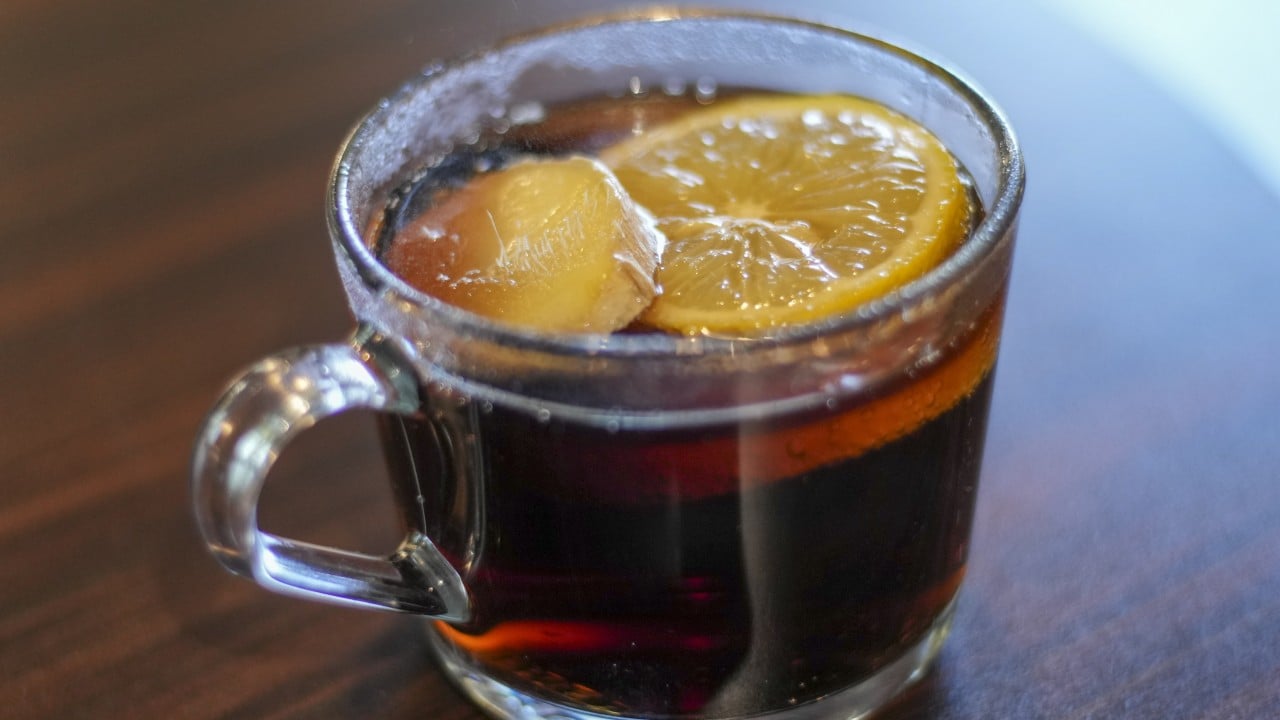
Hot lemon and ginger cola is a uniquely Hong Kong drink. A few slices of ginger are heated in cola until boiling, then the mixture is poured into a glass and topped with a few fresh lemon slices. While some older-style restaurants or traditional Hong Kong-style cha chaan teng cafes still serve it, it is usually an off-menu item, known only to older Hongkongers. The drink is widely believed to help cure colds and flu. But does it really? The TCM perspective Ginger is a warming rhizome and a...
Style Edit: Max Mara’s new K11 Musea store gets a stunning Hong Kong skyline installation
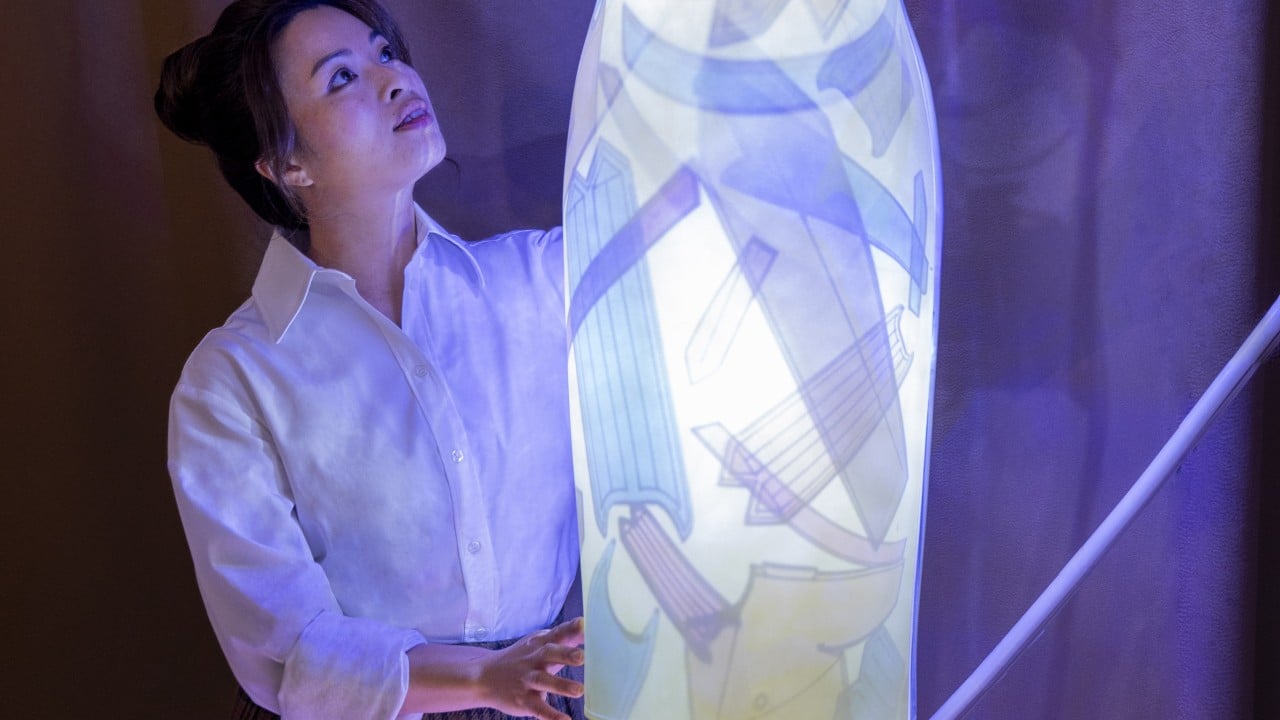
When Angela Yuen first tried on a Max Mara coat, her instinct was to take it apart. “I found it magical how perfectly it carried any woman’s silhouette,” says the Hong Kong artist, “which made me wonder about the secrets hidden within its paper pattern.” That curiosity became Interwoven Shadows, the installation marking the opening of Max Mara’s new boutique at K11 Musea on the Tsim Sha Tsui waterfront. On view outside the store until the end of December, it centres on a translucent acrylic...

Style Edit: Rolex celebrates centenaries of CHI Geneva show jumping and the Oyster watch
Precisely 100 years ago, history was made in Geneva, Switzerland – twice. Lovers of equestrian excellence were treated to the first ever edition of the Concours Hippique International de Genève, better known as CHI Geneva, a highlight of the annual show-jumping calendar to this day. For lovers of fine horology, meanwhile, 1926 brought a development of equal magnitude: the birth, in Rolex’s ateliers, of the Oyster: the legendary waterproof, screw-down case that came to define modern...

Chinese high jewellery: how Feng J, Anna Hu and Michelle Ong are fusing styles
It is easy to imagine that Claude Monet, the French Impressionist acclaimed for the paintings of his gardens at Giverny, would have been captivated by the ethereal landscape of West Lake in Hangzhou, where Feng J chose to stage her 10th anniversary solo exhibition in the Manao Temple. Feng J has long been influenced by the artist in the impressionistic way she sets her rose-cut gemstones like dabs of watercolour in overlapping layers on her nature-inspired jewels. “My first encounter with Monet,...

How K-hiking is reaching new heights as tourists flock to Seoul’s urban mountain trails
Eighteen international hikers from diverse backgrounds gather outside exit 1 of Gwanaksan station to kick off the three-week “2026 Seoul Hiking Week: Autumn”. Their objective for day 1 is to climb Mount Hoam, one of the peaks on the larger Mount Gwanak in southern Seoul, an “extreme course” route designed to showcase the South Korean capital’s rugged urban terrain. Running until November 15, Seoul Hiking Week is centred around three mountains in the city: Mount Bukhan, Mount Bugak and Mount...

Guns on Amtrak Trains? A Workers Union Is Up in Arms.
A new policy would allow firearms to be brought on passenger cars, as opposed to being locked in baggage cars. A union leader called it “sheer lunacy.”

Future You Will Be So Happy To Have These 27 Products On Your Next Cruise
Just here to help you fight seasickness, stay protected from the sun, and have the best time ever on your next cruise. View Entire Post ›

Washington Dulles Opens Its First New Concourse in Nearly 20 Years
Washington Dulles opens its $745 million Concourse E with 14 United Airlines gates, a massive new lounge and improved passenger facilities, as the airport undertakes an ambitious $20 billion redevelopment program. The post Washington Dulles Opens Its First New Concourse in Nearly 20 Years appeared first on Business Traveller.
YOUR NEWS, OUR NETWORK.
Do you have Great News you want to tell the world?
Be it updates about your business or your community, you can make sure that it’s heard by submitting your story to our network reaching hundreds of news sites across 6 verticals.